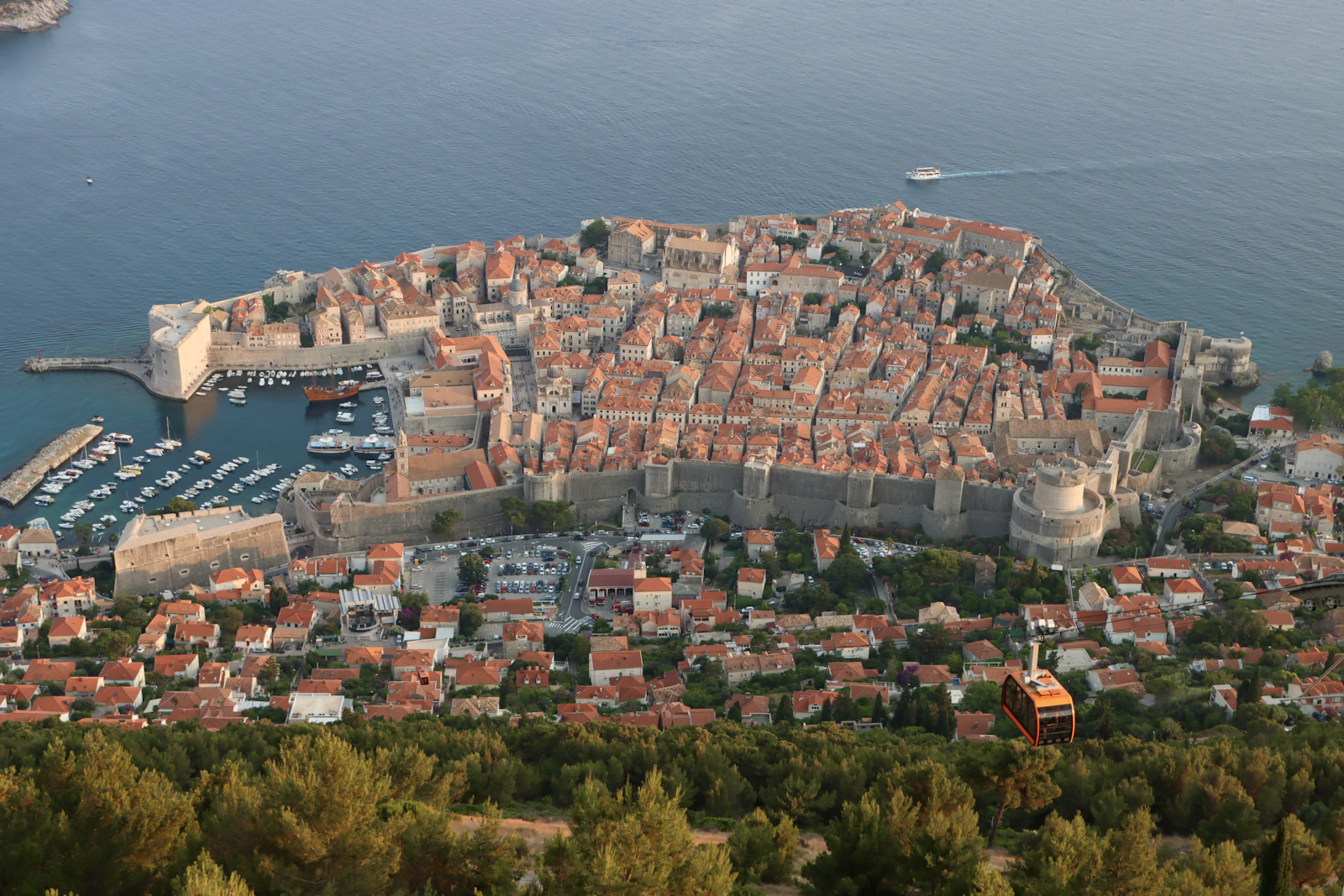
The best months for Croatia and Greece are late May, June, and September — the same warm sea as August without the cruise-ship crush. In Dubrovnik, walk the walls at 8 a.m. and sleep just outside the old town; in Greece, match the island to the group: Santorini for couples, Mykonos for the party, Crete (a week, with a car) for families.
The Mediterranean summer photographs like a promise: limestone streets glowing at golden hour, white villages stacked over blue water, dinner tables an arm's length from the sea. What the photos crop out is the timestamp. Shot in June at 8 a.m., the frame is yours. Shot in August at noon, you're sharing it with a cruise ship's entire passenger manifest.
En Route Truth: The Adriatic and the Aegean don’t reward the right destinations — they reward the right weeks and the right hours. June and September buy the same warm sea as August, with a fraction of the friction.
Croatia: own the mornings, sleep outside the walls
In July and August, Dubrovnik's narrow limestone streets absorb up to ten thousand cruise passengers a day. Late May, June, and September offer the perfect trinity instead — warm Adriatic water, everything open, breathable alleys. Then win the hours: walk the medieval walls the minute they open at eight, before the heat and the ships; ride the cable car up Mount Srđ for sunset after the fleet departs. And resist the romance of sleeping inside the Old Town — it's pedestrian-only, all stairs, and you'll drag suitcases over cobblestones to a room above a bar. The true luxury is a seaside resort just outside the walls: pool, sea access, and the city ten minutes away, on your schedule. Split plays the same game — give Diocletian's palace two dedicated nights in a boutique hotel inside the walls, and the ancient maze empties into something magical after the day boats leave at five. For actual beach days, skip the city sand entirely: get on a private boat and out to the islands.
Greece: match the island to the crew
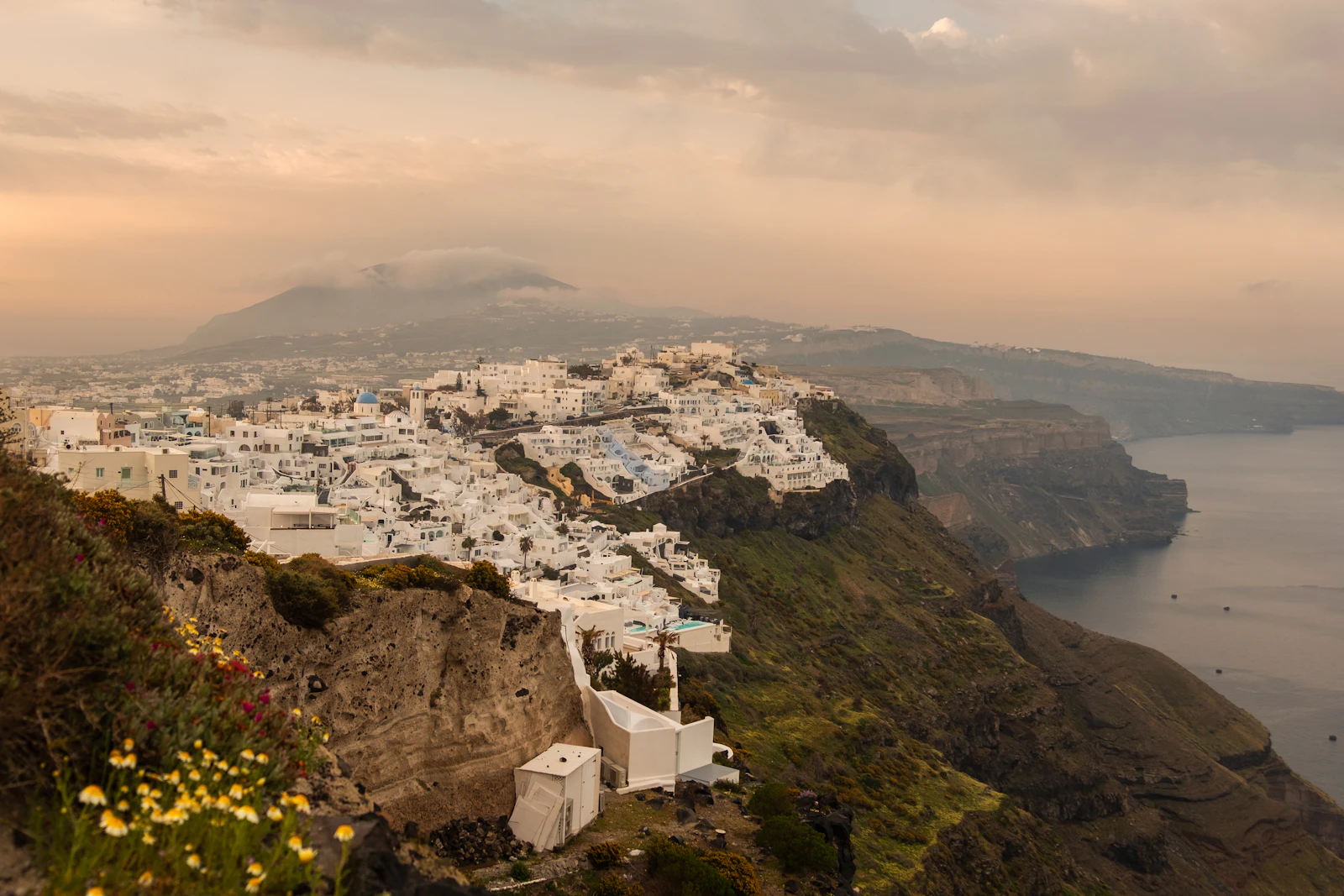
- Santorini is for couples, not kids. The caldera is the whole point — sheer cliffs, cave suites, volcano views — and it is genuinely hostile terrain for small children. Base in Imerovigli, the quieter village above the crowds, where the sunset is unobstructed and nobody's photographing from your roof. Late September keeps the golden light and warm water without the Oia crush.
- Mykonos is a decision, not a default. Unapologetically loud, flashy, and expensive — pristine beaches, superyacht bays, table-dancing sunsets. Glorious if that's the brief; a mismatch if you wanted quiet. One logistical trap: the island has only about thirty official taxis. Pre-arrange drivers for the whole stay or spend your holiday negotiating pavement.
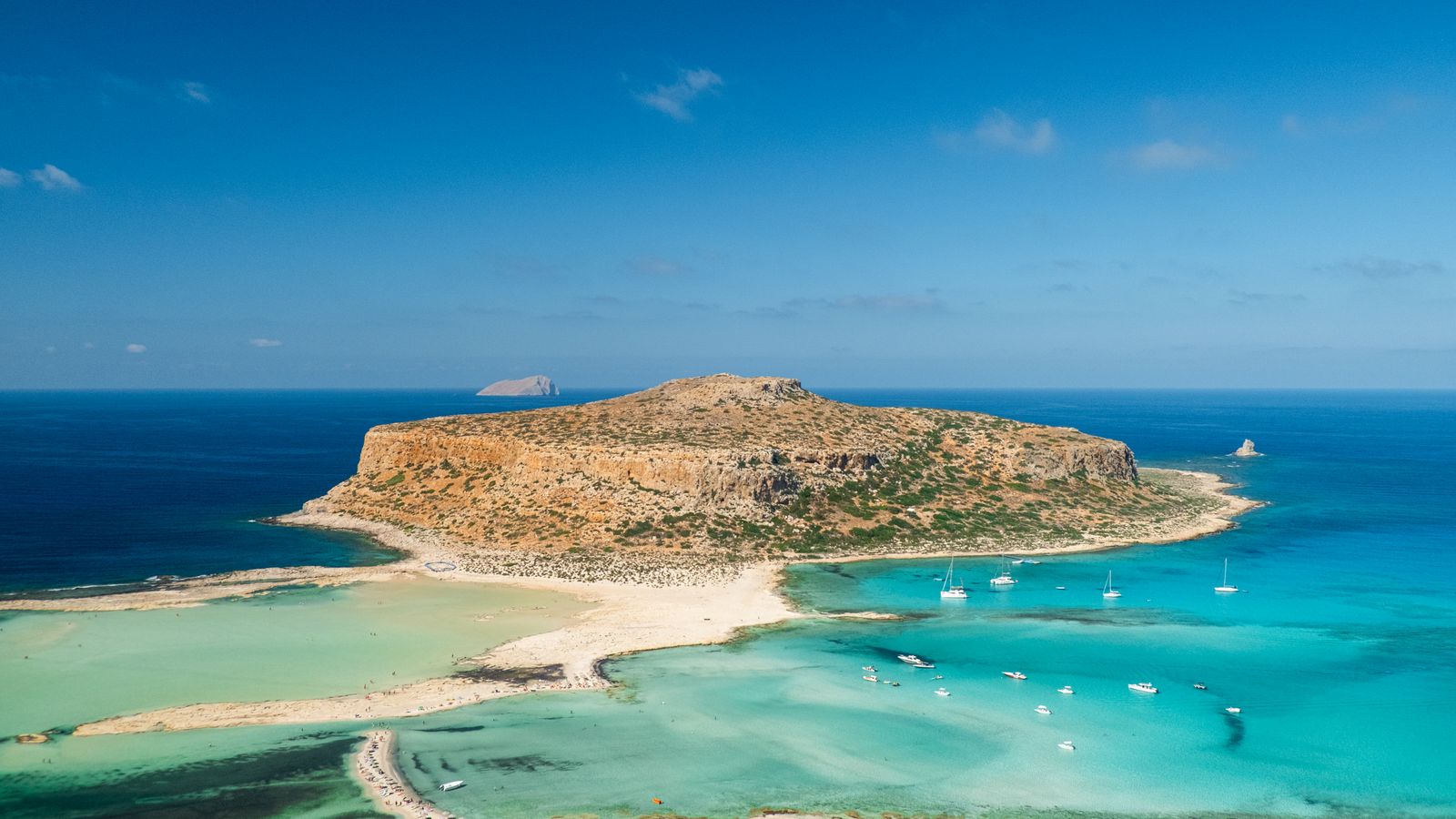
- Crete is the family island. A massive, rugged world of its own — mountain tavernas pouring raki, the turquoise shock of Balos Lagoon, real culture under the sun-lounger economy. It needs a week and a car, bases in Chania or Elounda rather than the port city, and it repays families the way postcard islands can't.
- Everywhere: June or September. August in the Greek islands and on the Croatian coast is hot, crowded, and premium-priced for the privilege. The shoulder months are not the compromise — they're the point.
The moment it's all for
A private catamaran slipping across the Santorini caldera at sunset, Assyrtiko cold in the glass — or a Dalmatian dinner in a side-street konoba while acoustic guitar bounces off Roman limestone. Both cost dramatically less friction in June than in August. Same sea. Same light. Different trip entirely.
Summer 2027 on either coast is a winter booking — the boutique hotels inside Split's palace walls and the Imerovigli cave suites go first. If you're sketching one now, send us the draft and we'll choreograph the weeks, the hours, and the islands to your crew. Same price as booking direct — and a June that beats everyone else's August.
Fair Questions
What's the best month for Croatia and Greece?
Late May, June, and September. The sea is warm, everything is open, and the July–August crush — up to ten thousand cruise passengers a day in Dubrovnik's old town — hasn't arrived or has already left. The shoulder months aren't the compromise; they're the point.
Santorini, Mykonos, or Crete?
Match the island to the crew: Santorini for couples (caldera views, cave suites — genuinely hostile terrain for small children), Mykonos for the high-energy beach-club trip, Crete for families — a huge island that needs a week and a car, based in Chania or Elounda.
How do you avoid the crowds in Dubrovnik?
Own the hours: walk the walls the minute they open at eight, ride the Mount Srđ cable car at sunset after the ships leave, and sleep in a seaside resort just outside the walls rather than dragging luggage up the old town's hundred stairs.